
Your kids’ life is full of milestones; from saying their very first words to taking their first steps, heading off for their first day of school – and, of course, getting their driver’s license.
The last one may be the scariest milestone to most parents, though, as it means that the kid who used to crawl around on the floor now is able to get from A to B in a very fast vehicle – and there is actually nothing more frightening than this.
Luckily, they have you as a great parent and patient teacher, though, which makes it a bit easier to stay happy and optimistic about their future driving.
If you’re planning on giving your teen their very first few lessons, you might want to consider reading up on it a bit first, however, to ensure that it’s a positive experience. Here is a handful of the safest methods to keep in mind when helping your teen to obtain their license so that you’re both able to keep your sanity on the road.
It could, after all, have a lot to say about how comfortable they feel behind the steering wheel and how easy it will be for them to finally get that license.
First: Let your teen come to you
Many parents are a bit over-eager when it comes to teaching their teens to drive. While their intentions are good, of course, they may end up pushing the teenager a bit far and constantly encouraging driving lessons together – which could end up in fewer lessons than you might have expected.
Allow your teenager to approach you when they’re ready to have their very first lesson. That way, you ensure that it’s happening on their terms and only when they actually feel ready for it. Some teens feel ready as soon as they hit their teenage years while others don’t feel mature enough or want the responsibility that early. Give them time, and they’ll be sure to approach you on their own terms.
Otherwise, you may end up with a student that is both resentful after being pushed into something they’re not ready for – as well as quite anxious when they get behind the steering wheel. As you know, an anxious driver could be a dangerous driver so give him or her the time they need before you have that first lesson together.
Remember to plan the lessons
Another point to this is that you should try to plan out the lesson ahead as much as possible. This gives a sense of control for both of you as you’ll know exactly where you’re driving as well as the date and time of your lessons. Try to stick to it as well, by the way, and only reschedule if you should be hit by sudden rain or dangerous weather.
It might be a good idea to check the weather conditions beforehand as well, though, in case you don’t want your first few lessons to be during rain or foggy conditions.
Try to give your teenager an idea of the skills they will be learning during each lesson as well, and don’t keep it all to yourself. Just like they would at school or at a driving lesson from a professional driving school, the student should know what to expect so that they can prepare themselves.
You can always consider a few professional driving lessons as well, by the way, in case you want to make sure they’ve got everything covered. Check out a driving school in your area and let them take care of the basics if you feel like it – or let them do the more complicated driving with a professional teacher.
That way, you’ll both be up to date and ready to face the lesson of today without being completely clueless. You are the coach when driving so remember to treat your kid as a student and give them a chance of coming to the lesson as prepared as possible.
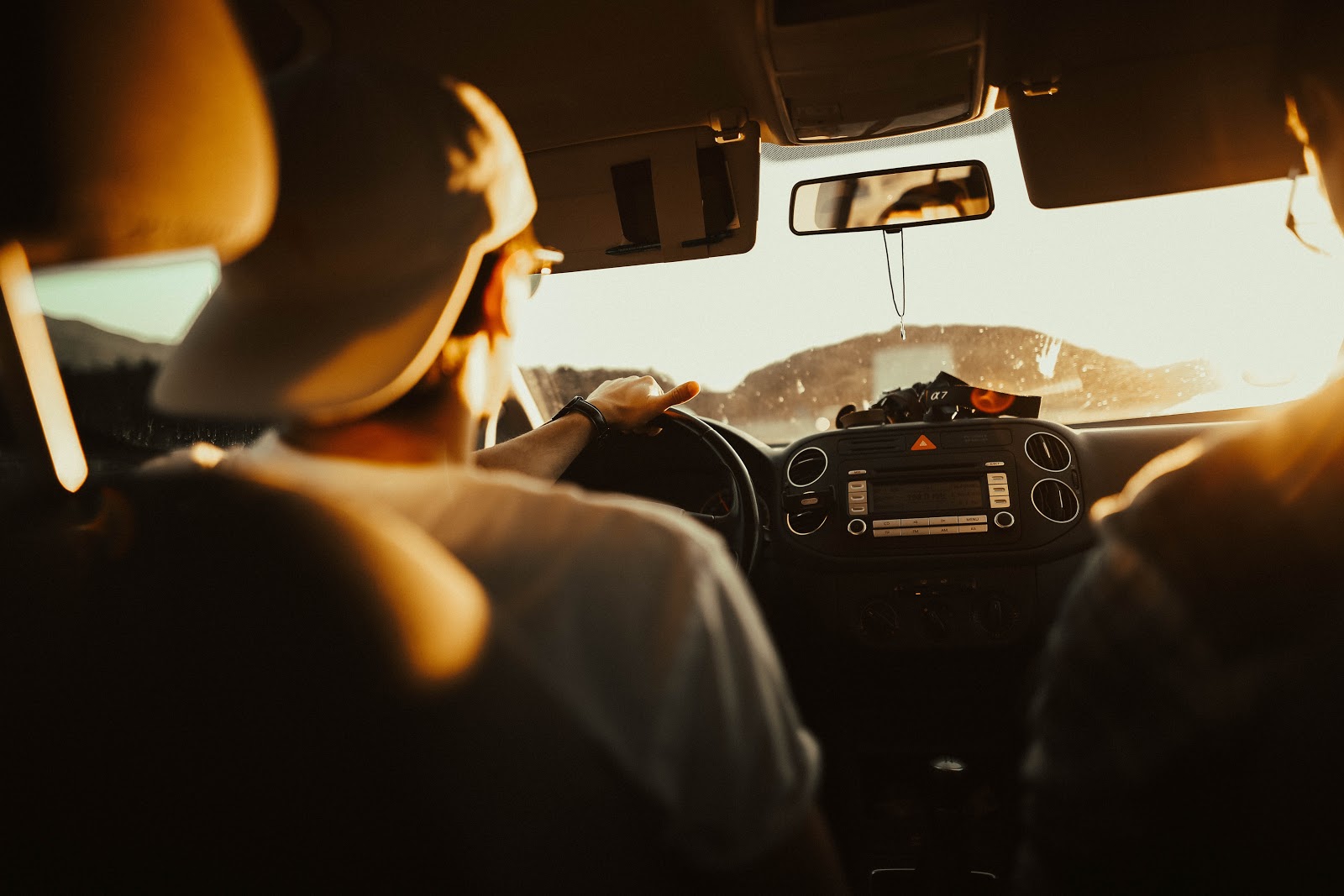
Image from: Pexels
The first lesson: Start slow
Now that you’ve been approached by your teenager who would love to have you as their driving teacher, and you’ve both worked out where to drive and what to learn, it’s time to actually get into the car together.
It’s a good idea to keep the first lessons as short as possible; a quick trip around the block or just stopping and starting in a parking lot might even be sufficient. The trick is to end the lesson as positive as possible and make sure that he or she feels confident at the end of it.
Try to head out on another lesson quite soon and remember to still keep it short – you might not even need more than 15 minutes for the first few lessons. Each time, you should chat about where you’re going and make sure that it is in an area that your kid knows well.
As he or she is starting to get more comfortable behind the steering wheel and has mastered the stopping, starting, and turning in parking lots, you can proceed to give a longer lesson. Continue like this and build up with longer and longer lessons as your teen is getting more confident – sooner or later, he or she will feel ready to go for a longer ride.
Again, let this happen on their terms and only when they actually feel ready for it. There is nothing worse than feeling pressured into driving in traffic when you feel like you should still be learning to drive in a quiet neighbourhood, so don’t let your own expectations of their progress take over control.
Skills to learn during the first lessons
If you’ve never taught anyone how to drive before, you may need some guidance in term of understanding what they should learn during their first couple of lessons. That way, you won’t start with something too early – and your kid has the time to learn the basics before they start with the more complicated stuff.
The first stage should involve turning the engine on and off again, handling the headlights as well as the parking lights, how to turn off and on as well as adjusting the windshield wipers, what the different lights on the dashboard mean, and how to fuel the vehicle.
Long before your first driving lessons, you should also go through everything that needs to be done in case of an emergency. This is also the kind of stuff that they should learn during their theoretical lessons, though, but it’s better to go through them a bit too often than not often enough.
Stage two: The basic skills
When you’ve gone through the first stage and your kid is comfortable with this, you can proceed to stage two. This includes the most basic kind of driving, such as making safe turns and remembering to signal, stopping smoothly, being able to back the car safely, and showing that he or she is aware of their surroundings.
As their teacher, you need to be able to spot whether or not you feel like your teen is able to master this before you continue the lessons. Even if they say that they’re able to do it by now, but you’re still not too confident, it’s better to go through it a few more times to be sure. At least they’ll be really good at the basics before they proceed to the more complicated stuff.
Ask questions rather than giving directions
Before you get started, it’s a good idea to brush up on your teaching skills. While you may not have spent an hour of your life teaching, it’s not going to help you much if you put your parenting skills to use when trying to teach your kid how to drive.
First of all, you should prepare them for what to do next; rather than telling them that they need to turn right here, let them know about it a bit in advance so that they’re able to prepare. Inexperienced drivers won’t be as comfortable as you behind the steering wheel, and telling them to turn the moment they have to do it is a very bad idea.
Preparation is, as always, the key to a successful driving lesson – and to keep your anxiety levels as low as possible.
Also, don’t use the term ‘right’ when praising your kid. Use it for directions and only directions, and tell them that they did something ‘correctly’ instead. That way, you won’t confuse the terms and your teen knows what to expect when you say ‘right’.
Teaching your teen to drive is definitely not easy, but the most important part is that you stay calm and patience. Never push your kid into it and continue to focus on a nice and steady lesson rather than teaching them everything at once.
Leave a Reply